How to Stop Headache Immediately at Home Without Medicine
Everyone experiences headaches now and then, whether due to stress, dehydration, tension, or emotional triggers like crying. The sudden onset of a headache can disrupt your daily routine and cause distress. For many, immediate relief is a priority, but medication isn’t always preferred or available. Learning how to stop headache immediately at home without medicine is essential for natural, safe, and convenient relief.
This guide presents practical and proven remedies that address different types of headaches, focusing primarily on tension headaches and stress-induced ones. It also covers how to handle headaches after crying and the concept of maintaining a “headache rack” of home remedies for quick access. The strategies discussed include hydration, compresses, massage, aromatherapy, breathing techniques, rest, and more. Each method is explained clearly with actionable steps and cautions.
Taking control of your headache management with these natural techniques not only relieves immediate pain but also empowers you to reduce headache severity and frequency. Whether you want to reduce reliance on medication or prefer holistic approaches, these remedies provide effective, quick solutions you can practice right away.
Understanding Headaches: Causes and Types
Headaches emerge from complex interactions involving muscles, nerves, blood vessels, and the brain. The cause varies based on the headache type:
- Tension Headaches are the most common. They feel like a dull, pressing pain and result from muscle tightness in the neck, scalp, and shoulders, often triggered by stress or poor posture.
- Stress headaches are closely related to tension headaches but are directly linked to emotional and psychological factors.
- Migraines involve neurological changes, accompanied by throbbing pain, light sensitivity, nausea, and aura.
- Headaches After Crying can result from muscle tension and dehydration caused by prolonged sobbing.
Recognizing the headache helps in choosing the appropriate remedy. For example, muscle relaxation is excellent for tension or stress headaches, whereas hydration suits those caused by dehydration. Awareness improves management effectiveness.
10 Natural Remedies to Stop Headache Immediately at Home
1. Rehydrate to Relieve Dehydration-Related Headaches
Lack of sufficient water intake causes dehydration headaches. Drinking water replenishes fluid levels rapidly and often mitigates pain. For quicker absorption:
- Sip 8-12 ounces of water slowly over 10-15 minutes.
- Avoid gulping water fast to prevent stomach discomfort.
- Consider adding a pinch of salt or natural electrolyte powder if dehydrated due to sweating or illness.
Consistent hydration prevents recurrence and improves overall brain function.
2. Cold Compress Application
Cold therapy works well to dull severe headache pain and reduce inflammation:
- Use a gel cold pack or cover the ice with a fresh towel.
- Apply to your forehead, temples, or nape of the neck.
- Limit application to 10–15 minutes at a time. Remove for at least 5 minutes before reapplying.
- Use caution if you’re sensitive to cold or have circulation issues.
Cold compresses are especially useful for migraine-type or sharp headaches.
3. Warm Compress for Muscle Relaxation
For headaches caused by tension and muscle tightness:
- Use a warm towel, heating pad, hot water bottle, or microwaved rice sock.
- Apply on the back of your neck or shoulders for 15–20 minutes.
- The warmth helps dilate blood vessels, promoting blood flow and releasing muscle knots.
Alternate with cold compress if preferred.
4. Head and Neck Massage
Massage stimulates circulation and relieves the muscular tension that often triggers headaches:
- Use fingertips to massage temples, scalp, base of skull, and neck muscles.
- Apply gentle to moderate pressure in circular motions.
- Spend 3-5 minutes focusing on areas that feel tight or tender.
- Use oils like peppermint or lavender for added relaxation.
Regular massage practice can reduce headache frequency.
5. Aromatherapy for Natural Pain Relief
Certain essential oils have calming or anti-inflammatory effects:
- Lavender helps reduce headache severity and promotes relaxation.
- Peppermint oil cools and numbs sensitive areas to ease pain.
- Eucalyptus oil improves circulation and relieves sinus pressure.
Use oil in a diffuser or dilute with Apply the carrier oil on your wrists or temples. Always patch tests to avoid skin irritation.
6. Breathing and Relaxation Exercises
Stress-induced headaches respond well to calming exercises:
- Practice deep breathing: inhale slowly for 7 seconds, hold for 4 seconds, exhale slowly for 8 seconds.
- Repeat for 5-10 minutes to calm the mind and reduce muscle tension.
- Combine with progressive muscle relaxation or meditation if helpful.
This lowers stress hormones that trigger headaches.
7. Warm Shower or Bath for Muscle Relief
Warm water relaxes muscles and improves circulation:
- Let water run over your neck and shoulders focusing on tense areas.
- For migraines, try finishing with a brief cold rinse.
- Bathe in warm water infused with calming essential oils such as lavender.
This treatment doubles as self-care, reducing headache triggers.
8. Rest in a Quiet, Dark Environment
Sensory overload worsens headaches, particularly migraines:
- Find a quiet, dim room free from loud noises or bright lights.
- Close your eyes and focus on relaxing your muscles and breathing.
- Avoid using screens or reading during headache onset.
Resting like this can halt or reduce headache pain progression.
9. Herbal Teas to Soothe Pain and Inflammation
Certain herbal teas contain compounds that help reduce headache pain:
- Chamomile tea calms nerves and eases muscle spasms.
- Ginger tea reduces inflammation and nausea associated with headaches.
- Green tea provides mild caffeine, which in moderation can relieve headaches.
Sip slowly and avoid added sugars which can worsen some headaches.
10. Acupressure Points for Quick Relief
Applying pressure to specific body points may alleviate headache:
- LI4 point: between thumb and index finger, press firmly for 1-2 minutes.
- GB20 point: base of skull, press gently with thumbs.
- Follow with calm breathing.
Many find relief quickly through these ancient techniques.
Specialized Advice: How to Stop Stress Headaches
Stress headaches result from sustained muscle tension and hormonal changes related to emotional stress. Managing these involves both physical and mental approaches:
- Physical: Warm compress for muscle relaxation, massage, corrective posture habits, gentle stretching.
- Mental: Breathing exercises, mindfulness meditation, guided imagery, taking short breaks away from stressors.
- Lifestyle: Adequate sleep, balanced diet, regular physical activity, and limiting caffeine and alcohol.
Recognizing stress triggers and proactively managing stress overall reduces headache frequency.
How to Stop a Headache After Crying
Post-crying headaches stem from muscle tension, dehydration, and emotional stress:
- Hydrate immediately to restore fluids lost during crying.
- Apply a cold compress to the forehead or temples to reduce any swelling or pain.
- Rest quietly in a dark room focusing on controlled deep breaths.
- Use a warm compress or gentle massage for lingering muscle tightness.
- Practice calming techniques like aromatherapy or herbal teas to soothe anxiety that may prolong headache.
Gentle, nurturing care helps restore balance effectively.
What Is a Headache Rack?
A “headache rack” is a colloquial term for a personalized toolkit of home remedies for quick headache relief. Think of it as your go-to chest of natural remedies that may include:
- Cold and warm compresses.
- Essential oils like lavender and peppermint.
- Herbal teas such as chamomile and ginger.
- Massage tools or acupressure reference charts.
- Items supporting relaxation like eye masks or sound machines.
Having a headache rack ready ensures you can start managing headaches the moment symptoms arise.
Understanding Tension Headache Relief in Depth
Tension headaches develop from prolonged muscle contraction in response to physical and emotional stress. Relief strategies focus on reducing muscle spasms and improving circulation:
- Regular gentle neck and shoulder stretches counteract poor posture effects.
- Massage reduces trigger point tension and increases blood flow.
- Warm compress dilates blood vessels and eases muscle stiffness.
- Stress management techniques prevent overstimulation of pain pathways.
- Sleep optimization and hydration also contribute significantly.
A combination of these approaches delivers the best outcomes for tension headache relief.
Pros and Cons of Home Remedies for Headache
Pros:
- Drug-free and natural, minimizing side effects.
- Convenient, inexpensive, and accessible.
- Offers holistic benefits including stress reduction and improved wellbeing.
- Empowers self-care and reduces dependency on medication.
Cons:
- Not universally effective for all headache types (e.g., severe migraines).
- May require trial and adjustment to find the best remedies.
- Home remedies should not replace medical evaluation for persistent or severe headaches.
- Some techniques may cause irritation if misused (e.g., prolonged ice application).
Clear understanding helps balance expectations and guides appropriate use.
Common Pitfalls to AvoidOveruse of heat or ice leading to skin damage.
- Neglecting hydration and proper rest.
- Ignoring serious headache symptoms requiring medical attention.
- Excessive reliance on one remedy without exploring underlying causes.
- Skipping preventive lifestyle habits like posture correction and stress management.
Mini-Summary Stopping a headache immediately at home is achievable through natural methods such as hydration, compress application, massage, aromatherapy, breathing exercises, rest, and acupressure. Stress and crying-induced headaches benefit from targeted muscle relaxation and calming techniques. Preparing your own headache rack ensures quick access to relief. Always watch for warning signs to know when professional care is needed, and embrace a balanced lifestyle for long-term headache reduction.
Conclusion
Headaches may be common, but they don’t have to control your life. By understanding headache types and causes, you can use simple, natural remedies How to stop headache immediately at home without medicine. These methods address pain through hydration, muscle relaxation, sensory calming, and emotional stress relief while fostering healthy habits that help prevent future headaches. Combining remedy use with mindfulness towards your body’s signals encourages sustainable relief. Start applying these strategies today and regain your comfort and focus naturally.
FAQs
Q: How to stop headache immediately at home without medicine?
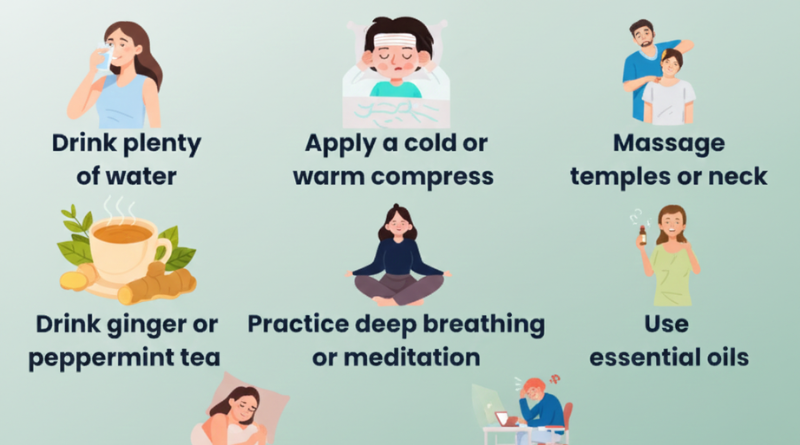
A: Drink water, apply a cold or warm compress, massage your temples and neck, practice deep breathing, and rest quietly in a dim room.
Q: What are the best natural remedies for tension headache relief?
A: Massage, warm compresses, herbal teas, posture correction, and relaxation techniques like breathing exercises help relieve tension headaches.
Q: How do I stop a headache after crying?
A: Rehydrate immediately, use a cold compress, rest in a quiet, dark space, and try gentle massage and calming breathing exercises.
Q: What is a headache rack?
A: It’s a personal set of home remedies and tools like cold packs, essential oils, and herbal teas prepared for quick headache relief.
Q: Can aromatherapy help stop headaches?
A: Indeed, essential oils like lavender and peppermint provide natural pain relief and relaxation that ease headache symptoms.
Q: When should I see a doctor for headaches?
A: Consult a healthcare provider if headaches are severe, worsen suddenly, or come with neurological symptoms such as vision changes or weakness.
Q: Are home remedies safe for everyone?
A: Most are safe, but they may not work for all headache types. Always get professional advice if headaches persist or worsen.