How to Pickle Pepperoncini at Home (Easy Guide)
Peppers come in many varieties, ranging from sweet and mild to bold and fiery. Among them, pepperoncini stands out for its balanced flavor—slightly tangy, gently sweet, and mildly spicy. Popular throughout Mediterranean cuisine, especially in Greece and Italy, pepperoncini adds brightness and crunch to countless dishes.
In this guide, you’ll learn what pepperoncini is, how spicy it really is, its health benefits, how it’s used in cooking, and how to pickle pepperoncini at home.
What Is Pepperoncini?
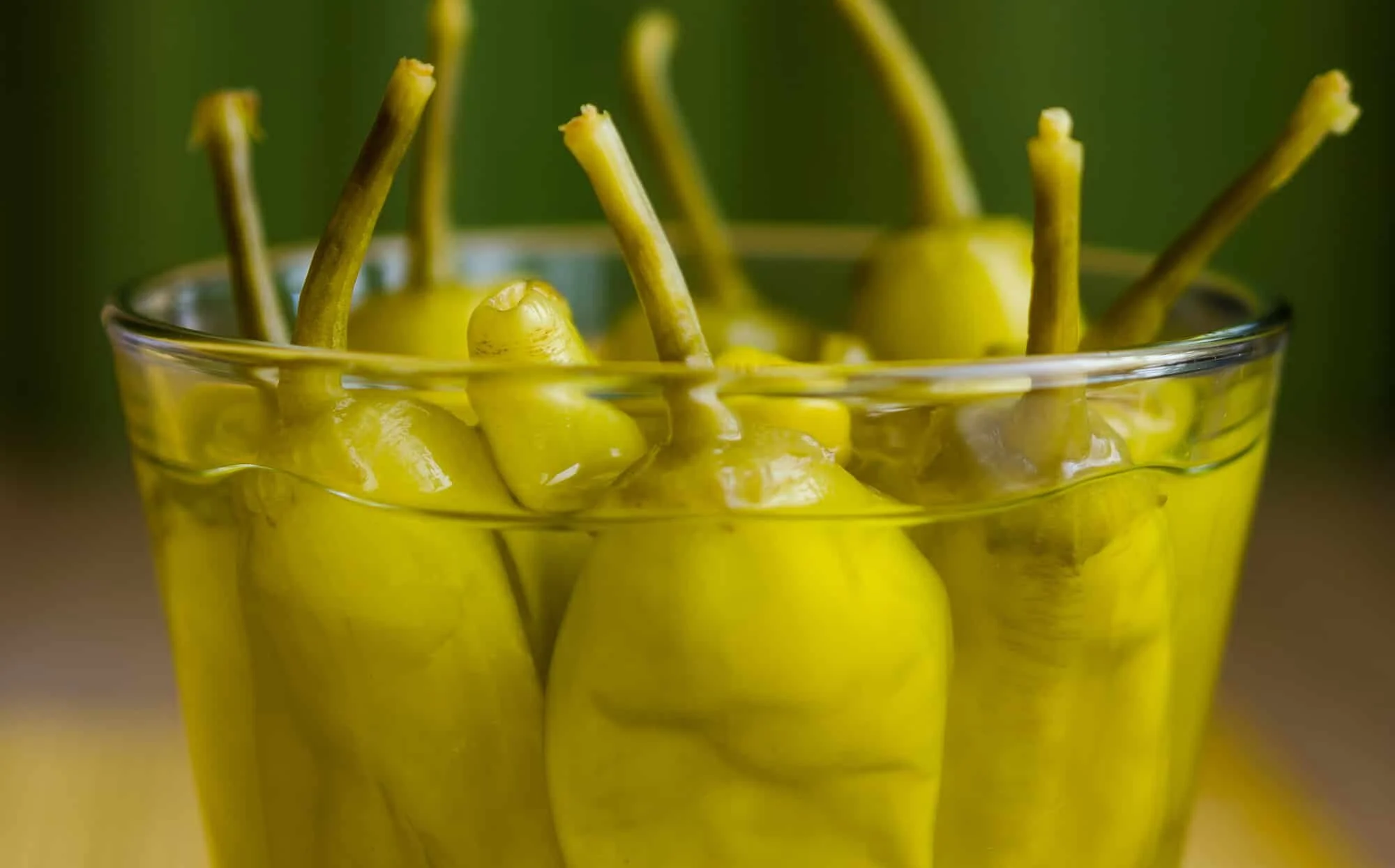
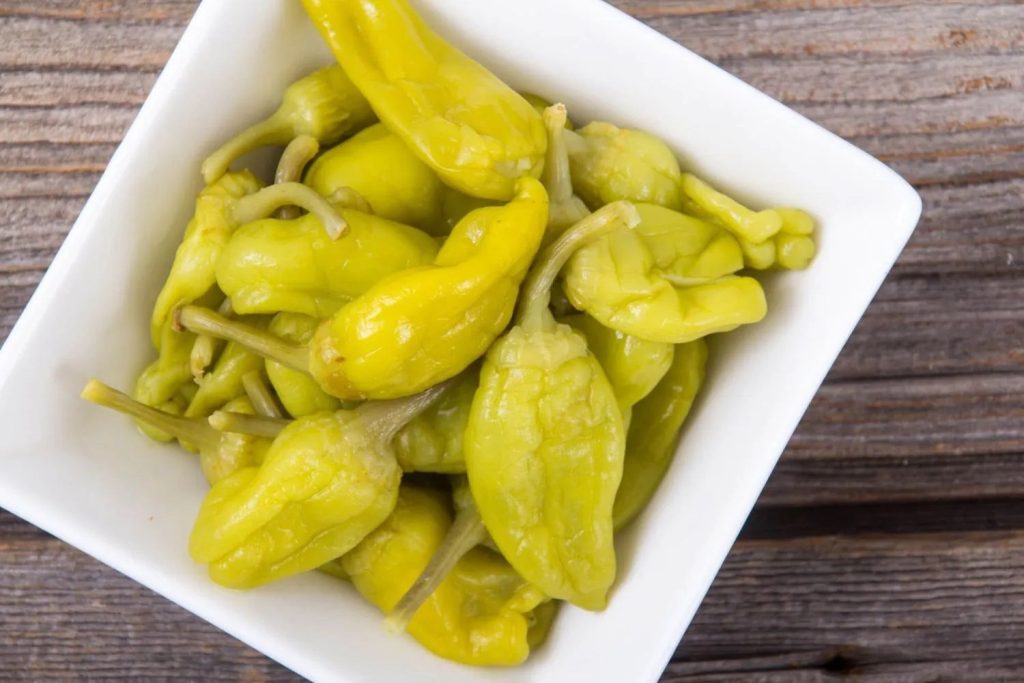
Pepperoncini (also spelled peperoncini) is a variety of chili pepper belonging to the species Capsicum annuum. Often referred to as golden Greek peppers, Tuscan peppers, or sweet Italian peppers, these small peppers typically grow 2–3 inches long with thin, pale green to yellow skin.
Although pepperoncini can be eaten raw, they are most commonly sold pickled in jars. Their crisp texture and mildly tangy flavor make them a staple in Mediterranean dishes, from antipasto platters to hearty pasta sauces.
Are you in Hyderabad and searching for a call girl in Hyderabad? book our Call Girl in Kokapet and Call Girl in Koti, for a smooth and confidential experience.
How Spicy Is Pepperoncini?
When it comes to heat, pepperoncini is considered mild. Peppers are measured using the Scoville Heat Unit (SHU) scale, which ranks spiciness based on capsaicin content—the natural compound responsible for heat.
- Bell peppers: 0 SHU
- Jalapeños: 2,500–8,000 SHU
- Habaneros: 100,000–350,000 SHU
- Carolina Reaper: up to 2.2 million SHU
- Pepperoncini: 100–500 SHU
With a rating between 100 and 500 SHU, pepperoncini delivers only a gentle warmth. It creates a slight tingle rather than an intense burn, making it ideal for those who prefer mild heat.
To reduce the spice even further, remove the seeds before eating, as most of the capsaicin is concentrated inside.
Are Pepperoncini Healthy?
Yes, pepperoncini offers several nutritional benefits.
These peppers are:
- High in vitamin A
- Rich in vitamin C
- A good source of fiber
- Contain small amounts of calcium
Capsaicin, the compound that provides heat, is also linked to potential health benefits, including supporting metabolism and overall wellness.
Because they are low in calories and packed with nutrients, pepperoncini is a flavorful and healthy addition to salads, sandwiches, and cooked meals.
How Is Pepperoncini Used in Cooking?
Pepperoncini is often confused with banana peppers or Hungarian wax peppers due to their similar appearance. However, pepperoncini has a distinct tangy-sweet flavor that sets it apart.
Here are some popular ways to use pepperoncini in the kitchen:
1. As a Condiment
Pickled pepperoncini is commonly added to sandwiches, burgers, wraps, and pizzas. It can even be layered into grilled cheese sandwiches for extra flavor.
2. In Salads
Pepperoncini adds crunch and brightness to salads. It is a classic ingredient in Greek-style salads alongside cucumber, feta cheese, olives, tomatoes, and red onions. The brine from pickled pepperoncini can also enhance vinaigrettes.
3. Cooked in Hot Dishes
Fresh pepperoncini can be sautéed, roasted, or slow-cooked. Heating the peppers brings out a slightly smoky depth while maintaining their mild spice.
4. As an Edible Garnish
Pepperoncini often appears as a garnish in cocktails like Bloody Marys or alongside charcuterie boards. Its crisp texture makes it perfect for snacking between bites.
How to Pickle Pepperoncini at Home
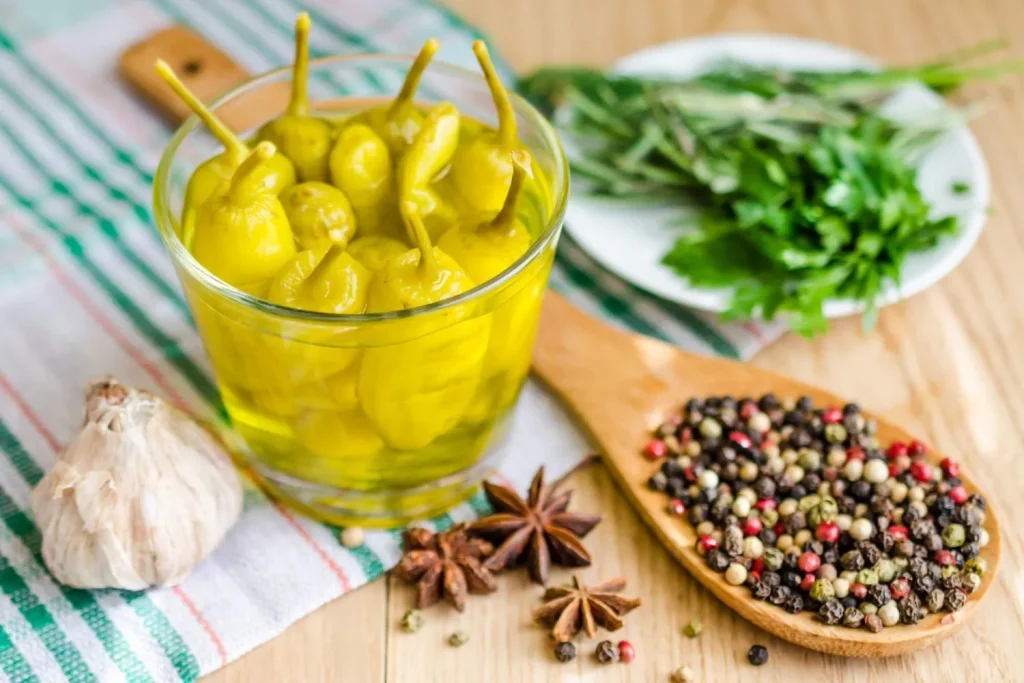
Making homemade pickled pepperoncini is simple and requires only a few ingredients.
Ingredients:
- Fresh pepperoncini
- Garlic cloves
- Water
- Apple cider vinegar
- Salt
- Sugar
- Optional: bay leaves and whole peppercorns
Instructions:
- Slice a small slit lengthwise in each pepperoncini to help the brine soak in.
- Place the peppers in a clean mason jar with peeled garlic cloves. Add bay leaves or peppercorns if desired.
- In a saucepan, bring water, apple cider vinegar, salt, and sugar to a boil.
- Carefully pour the hot brine over the peppers, leaving about one inch of space at the top of the jar.
- Seal and store in a cool, dark place for two weeks, or refrigerate for several days before using.
Once ready, your homemade pepperoncini can be added to salads, sandwiches, pasta, or meat dishes.
3 Easy Recipes Using Pepperoncini
Pepperoncini pairs especially well with meat and Mediterranean ingredients. Try these simple ideas:
1. Slow Cooker Beef with Pepperoncini
Place a chuck roast in a slow cooker with sliced onion, pepperoncini (including some brine), and beef broth. Season with salt and Italian herbs. Cook on low for about eight hours until the beef is tender and easy to shred. Serve on sandwiches or over rice.
2. Antipasto Platter
Arrange slices of salami, prosciutto, provolone, mozzarella, olives, artichoke hearts, roasted red peppers, and pepperoncini on a large platter. This colorful spread is perfect for gatherings or casual dinners.
3. Sausage and Peppers
In a roasting pan, combine sliced onions, pepperoncini (seeds removed), and bell peppers with olive oil. Place Italian sausages on top and roast at 400°F until browned and fully cooked. The sweetness of the bell peppers balances the smoky sausage and mild heat of the pepperoncini.
Final Thoughts on Pepperoncini
Pepperoncini is a versatile Mediterranean pepper known for its mild heat, tangy flavor, and crisp texture. Whether served pickled, raw, or cooked, it adds brightness and depth to countless dishes.
From salads and sandwiches to slow-cooked meats, pepperoncini is an easy way to elevate everyday meals. And with a simple homemade pickling method, you can enjoy this flavorful pepper anytime.