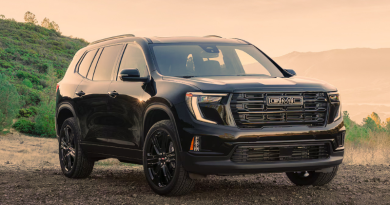
7 Mistakes That Increase Your Car Insurance Cost
Car insurance is a necessary expense for every vehicle owner, but many drivers unknowingly pay more than they should. Insurance companies calculate premiums based on several risk factors, and even small mistakes can cause your insurance costs to rise significantly. From driving habits to policy choices, certain decisions can lead to higher premiums over time.
Understanding the common mistakes that increase your car insurance cost can help you avoid unnecessary expenses and maintain affordable coverage. In this article, we will explore seven common mistakes drivers make that lead to higher insurance premiums and how you can avoid them.
Ignoring Regular Insurance Comparisons
One of the most common mistakes drivers make is renewing their car insurance policy every year without comparing rates from other insurance companies. Many insurance providers adjust their pricing frequently based on market conditions, claim history, and competition. If you continue renewing your existing policy without exploring other options, you might miss out on better deals that could significantly reduce your premium.
Drivers who compare insurance quotes regularly often find that different insurers offer different pricing for the same level of coverage. Even if you are satisfied with your current provider, reviewing competing offers can give you leverage to negotiate a better rate. In many cases, simply switching insurers can save hundreds of dollars annually while maintaining the same level of protection.
The 2022 hyundai tucson is one of the most stylish and practical compact SUVs released by Hyundai Motor Company.
Choosing the Wrong Deductible
Your deductible plays a major role in determining how much you pay for car insurance. A deductible is the amount you pay out of pocket before your insurance coverage begins. Many drivers choose a very low deductible because it seems safer in case of an accident, but this decision often leads to significantly higher monthly premiums.
Selecting a higher deductible can reduce your premium because you are assuming more financial responsibility if a claim occurs. However, it is important to balance affordability and risk. Drivers should choose a deductible amount they can comfortably pay if necessary while still benefiting from lower premium costs.
Not Maintaining a Clean Driving Record
A driver’s history is one of the most important factors insurers use when calculating premiums. Traffic violations, accidents, and claims can quickly increase your insurance costs. Even a single speeding ticket can cause your premium to rise because it signals increased risk to insurance companies.
Maintaining safe driving habits is one of the most effective ways to keep insurance costs low. Avoiding distractions while driving, following traffic laws, and practicing defensive driving can help maintain a clean driving record. Over time, safe drivers may qualify for discounts that further reduce their premiums.
Buying a High-Risk Vehicle
The type of car you drive has a direct impact on your insurance premium. Vehicles with powerful engines, high repair costs, or a higher likelihood of theft often come with higher insurance rates. Many buyers focus only on the purchase price of a vehicle and overlook the long-term insurance costs associated with certain models.
Before buying a vehicle, it is wise to research its insurance category and safety ratings. Cars with advanced safety features, lower repair costs, and strong reliability records often receive lower insurance rates. Automotive advisory services such as Car Concierge Pro help buyers evaluate not only the purchase price of a vehicle but also the long-term ownership costs, including insurance expenses.
Driving More Miles Than Necessary
Annual mileage is another factor insurance companies consider when calculating premiums. Drivers who spend more time on the road statistically have a higher chance of being involved in accidents, which increases insurance risk. If your policy indicates high annual mileage, you may be paying more for coverage.
Reducing your mileage by carpooling, working remotely, or using public transportation occasionally can help lower your risk profile. Some insurers also offer low-mileage discounts or usage-based insurance programs that reward drivers who spend less time behind the wheel.
Overlooking Available Discounts
Many drivers are unaware that insurance companies offer a wide range of discounts that can significantly reduce policy costs. These discounts may include safe driver rewards, multi-policy discounts, student discounts, and discounts for vehicles equipped with advanced safety features.
Failing to ask about these discounts is a common mistake that leads to higher premiums. Insurance companies do not always apply every available discount automatically, so it is important to review your policy and ask your insurer about any programs you may qualify for. Taking advantage of these opportunities can reduce your insurance costs without changing your coverage.
Keeping Unnecessary Coverage on Older Vehicles
As vehicles age and their market value decreases, maintaining certain types of insurance coverage may no longer be cost-effective. Comprehensive and collision coverage are valuable for newer vehicles, but for older cars with low resale value, these coverages may cost more than the vehicle is worth.
Reviewing your insurance policy regularly allows you to adjust coverage levels based on the current value of your vehicle. Removing unnecessary coverage from an older car can significantly reduce your premium while still maintaining essential liability protection.
Conclusion
Car insurance costs can add up quickly, especially if drivers unknowingly make decisions that increase their premiums. Mistakes such as failing to compare insurance quotes, choosing the wrong deductible, driving high-risk vehicles, and overlooking available discounts can lead to unnecessary expenses.
By understanding how insurance companies evaluate risk and by making smarter choices regarding driving habits, coverage options, and vehicle selection, drivers can significantly reduce their insurance costs. Regularly reviewing your policy and staying informed about available discounts can help ensure that you maintain affordable coverage while protecting yourself and your vehicle on the road.
FAQs
Why does my car insurance premium increase each year?
Insurance premiums may increase due to inflation, higher repair costs, changes in driving records, increased accident claims, or updates in insurance company risk models.
Does the type of car I drive affect my insurance rate?
Yes, vehicles with higher repair costs, powerful engines, or higher theft rates typically have higher insurance premiums. Cars with strong safety features often qualify for lower rates.
How often should I compare car insurance quotes?
Experts recommend comparing quotes at least once a year or whenever your policy is up for renewal to ensure you are receiving the best possible rate.
Can my driving habits affect my insurance cost?
Yes, safe driving habits help maintain a clean driving record, which can significantly reduce your insurance premium over time.
Do insurance companies offer discounts for safe drivers?
Yes, many insurers provide safe driver discounts for drivers who maintain accident-free records for several years.