Best Infotainment Systems in SUVs: Smart Technology for Smarter Drives
Introduction
SUVs are no longer just about power and space — they’re about innovation, connectivity, and entertainment. Today’s drivers expect a vehicle that keeps them informed, entertained, and connected on the go. That’s where advanced infotainment systems come in, turning ordinary drives into engaging experiences. Let’s explore the best infotainment systems in SUVs and what makes them stand out in 2025.
Car warranties provide peace of mind by covering repairs and replacements for unexpected vehicle issues. Whether you’re buying a new or used car, understanding the types of car warranties—such as bumper-to-bumper, powertrain, or extended coverage—can save you from costly repairs. Investing in reliable car warranties ensures your vehicle stays protected, keeping you confident on the road.
What Is an Infotainment System?
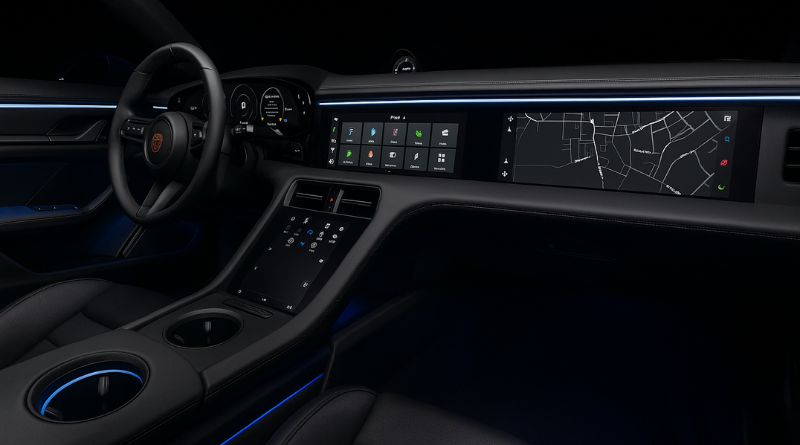
An infotainment system is the brain of your car’s digital experience. It integrates entertainment, navigation, and connectivity features into one interface. Think of it as a smart tablet for your SUV — controlling everything from music and navigation to climate and driver-assist features.
Why Infotainment Systems Matter in Modern SUVs
With long road trips, family drives, and daily commutes, an intuitive infotainment system enhances comfort and safety. It provides easy access to maps, traffic updates, and streaming services without distracting the driver. A great infotainment system keeps you connected — hands-free and stress-free.
Learning how to make money fast as a woman can open up new opportunities for financial independence. From freelancing and online businesses to gig economy jobs and creative side hustles, there are many ways women can quickly earn income. By leveraging skills, networking, and smart planning, women can generate fast revenue while building long-term financial security.
Key Features of a Great Infotainment System
Touchscreen Responsiveness
A lag-free touchscreen is crucial. Modern systems use high-resolution displays and intuitive layouts, ensuring quick access even while driving.
Smartphone Integration
Apple CarPlay, Android Auto, and wireless connectivity are now must-haves. They allow drivers to use apps, music, and messages seamlessly from their phones.
Voice Commands
Advanced voice assistants like Alexa Auto, Google Assistant, and proprietary car AIs make controlling the system effortless.
Navigation & Connectivity
Real-time navigation, Wi-Fi hotspots, and connected apps add immense value — turning your SUV into a rolling command center.
Top SUV Brands Known for Excellent Infotainment
Tesla
Tesla sets the benchmark for infotainment with its massive touchscreen interface, lightning-fast processing, and over-the-air software updates.
BMW
BMW’s iDrive system combines elegance and function. The latest iDrive 8 interface uses AI to adapt to driver habits and features 3D maps with augmented-reality navigation.
Mercedes-Benz
Mercedes’ MBUX system stands out with its “Hey Mercedes” voice assistant, dual-screen layout, and premium visuals.
Hyundai
Hyundai’s infotainment setups are known for affordability and user-friendliness. The Bluelink system allows remote control via smartphone.
Ford
Ford’s SYNC 4 system is a tech lover’s dream. It offers a cloud-connected interface, wireless updates, and split-screen multitasking.
Best Infotainment Systems in SUVs (2025 Edition)
Tesla Model Y
Tesla’s minimalist design puts its infotainment system front and center. The 15-inch touchscreen handles everything — from climate control to Netflix streaming. Regular software updates keep it fresh and futuristic.
BMW X5
The BMW X5’s iDrive 8.5 system is intuitive and elegant. The curved display merges driver information with entertainment, creating a seamless experience. Gesture controls add a futuristic touch.
Mercedes-Benz GLE
The GLE’s MBUX system offers one of the most luxurious digital experiences. The “Hey Mercedes” assistant responds naturally to voice commands, while the augmented-reality navigation projects directions onto live road views.
Hyundai Palisade
For those on a budget, the Hyundai Palisade offers premium tech at a fair price. Its large touchscreen, wireless smartphone integration, and intuitive interface rival luxury brands.
Ford Expedition
Ford’s SYNC 4A infotainment system provides a massive 15.5-inch vertical display. It’s responsive, customizable, and supports advanced driver-assist features.
Kia Telluride
Kia’s UVO system delivers simplicity and functionality. With wireless Apple CarPlay and OTA updates, it’s ideal for families who love smart, connected driving.
Toyota Highlander
Toyota’s latest infotainment platform offers a sleek 12.3-inch screen, natural voice controls, and full smartphone compatibility. It’s practical, polished, and perfect for everyday use.
Comparison Table: Features and Tech Highlights
| SUV Model | Display Size | Voice Assistant | Smartphone Integration | Over-the-Air Updates |
| Tesla Model Y | 15″ | Tesla Voice | Wireless | Yes |
| BMW X5 | 14.9″ | BMW Intelligent Personal Assistant | Wireless | Yes |
| Mercedes GLE | 12.3″ Dual | MBUX | Wireless | Yes |
| Hyundai Palisade | 12.3″ | Bluelink | Wireless | Partial |
| Ford Expedition | 15.5″ | Alexa Auto | Wireless | Yes |
| Kia Telluride | 12.3″ | Kia UVO | Wireless | Partial |
| Toyota Highlander | 12.3″ | Toyota Voice | Wireless | Partial |
User Experience and Interface Design
A well-designed interface should feel natural. Tesla and BMW lead the pack with intuitive menus and adaptive layouts, while Mercedes focuses on luxury and aesthetics. Hyundai and Kia excel in simplicity and accessibility — perfect for first-time users.
Voice Assistants: The New Driving Companion
Voice recognition has revolutionized how we interact with our vehicles. Instead of fiddling with buttons, drivers can simply say, “Hey BMW, take me home,” and the system responds instantly. This not only adds convenience but also enhances safety.
How Connectivity Enhances Safety and Comfort
Connected infotainment systems sync with sensors, driver-assist tech, and emergency features. For instance, Ford’s SYNC can automatically alert services after a crash, while BMW’s connected drive keeps your navigation updated in real-time.
Infotainment System Updates and OTA (Over-the-Air) Improvements
One of the coolest advancements is OTA updates. Cars like Tesla and Ford constantly evolve with new features and bug fixes delivered remotely — just like updating your smartphone.
Future Trends in SUV Infotainment Systems
The next generation of infotainment systems will use AI-driven personalization. Expect vehicles that predict your preferred music, suggest routes, and even adjust interior lighting to your mood. 3D holographic displays and AR dashboards are on the horizon too.
Tips for Choosing the Right SUV Based on Tech Features
- Prioritize ease of use over screen size.
- Test responsiveness and menu navigation before purchase.
- Ensure compatibility with your smartphone ecosystem.
- Look for OTA update capability to future-proof your car.
- Don’t overlook safety features integrated with the system.
Common Issues and How to Fix Them
- Frozen Screen: Restart the system or perform a soft reset.
- Bluetooth Connection Drops: Delete paired devices and reconnect.
- Voice Command Errors: Update the system and recalibrate the mic.
- Slow Interface: Ensure software is up to date; outdated versions lag.
Conclusion
Infotainment systems are redefining what it means to drive. Whether you value sleek design, smart AI, or budget-friendly functionality, today’s SUVs offer cutting-edge tech for every driver. From Tesla’s innovation to Hyundai’s practicality, there’s an infotainment experience tailored just for you.
FAQs
- Which SUV has the best infotainment system in 2025?
The Tesla Model Y and BMW X5 currently lead the market with top-tier tech and connectivity. - Do infotainment systems require regular updates?
Yes, most modern systems get over-the-air (OTA) updates to enhance performance and features. - Can I use both Apple CarPlay and Android Auto?
Most SUVs support both, but it’s best to confirm before buying. - What size screen is ideal for an SUV infotainment system?
Anything above 10 inches is great, but it’s the interface quality that truly matters. - Are infotainment systems covered under warranty?
Yes, typically for 3–5 years, depending on the manufacturer.